Hêtre commun
(Fagus sylvatica)


 |
****
-
**
|
****
-
**
C'est un grand arbre à feuilles caduques, indigène d’Europe, une essence très commune dans nos forêts, bio-indicatrice d'un climat tempéré humide. Il est très appré ...
→suite


Hêtre commun
Note alimentaire 
Note médicinale 
Note autre usage 

C'est un grand arbre à feuilles caduques, indigène d’Europe, une essence très commune dans nos forêts, bio-indicatrice d'un climat tempéré humide. Il est très apprécié en sylviculture mais aussi pour l'ornementation, notamm... →suite

Fagus sylvatica
Classification
- Classique : en haut de l'écran, sous le coeur.
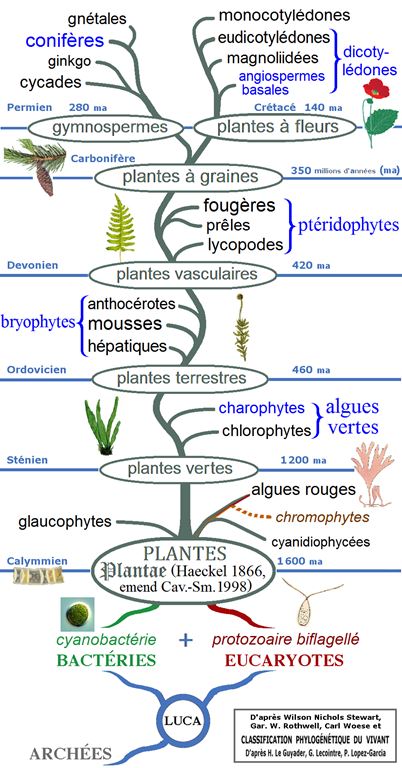
- Phylogénétique :
- Clade 4 : Angiospermes ;
- Clade 3 : Dicotylédones_vraies ;
- Clade 2 : Rosidées ;
- Clade 1 : Fabidées ;
- Ordre APN : Fagales ;
- Famille APN : Fagaceae ;
À droite, cet arbre phylogénétique des plantes montre les principaux clades et groupes traditionnels (monophylétiques en noir et paraphylétiques en bleu).
Dénominations
- Nom botanique : Fagus sylvatica L. (1753)
- Synonymes français : hêtre, fayard, faines (fruits), arbre de mai
- Nom breton : faou, finij , finijenn, fion, fionenn
- Synonymes : Fagus sylvatica var. pendul
- Noms anglais et locaux : beech, European beech, English beech
Description et culture
Tableau récapitulatif
Parties comes-tibles Note comest. (1-5) Note medic. (1-5) (Zones de) Rusticité Besoins en 
Besoins en  (1-3)
(1-3)Périodes de semis et récoltes Graines au gramme Durée de viabilité Profon-deur semis Espace-ment plants Espace-ment lignes Durée germi-native Durée avant récolte
Zones de rusticité : 4, 5, 6, 7 J F M A M J
J A S O N D
J F M A M J
J A S O N D
-
Résumé, fiche pédagogique et recettes (selon comestibilité avérée)
Un résumé, une fiche pédagogique et quatre recettes (une salade, une potée et deux utilisations traditionnelles), mettant en lumière cette plante (via Terra, l'I.A. de ce site)
ATTENTION
Les données de l'I.A. (Intelligence artificielle) ne sont pas sourcées (référencées). Ces informations sont affichées à titre indicatif. Elles peuvent provenir de rapports (documents) officiels mais également de discussions, blogs, etc... Il est impératif de vérifier celles-ci avant toute utilisation alimentaire ou médicinale.
Méthodologie d'approche de la comestibilité des plantes, en cas de doute persistant et/ou en condition de survie
Louis Bubenicek (Dictionnaire des plantes comestibles, 2001) :
"Dans le doute sur la comestibilité d'une plante et/ou face à des situations extrèmes comme celles de la survie (pilote, campeurs, géologues...), je reproduis ici les règles édictées par l'armée américaine pour préparer ses commandos égarés en pays inconnus.
Publié en l994 " The U.S. Army Survival Manual " apporte une méthodologie d'approche de la comestibilité des plantes qui a été reprise par J.Hopkins dans son ouvrage " Strange foods " publié en 1999.
Pour accéder à la sécurité alimentaire on doit procéder par les étapes successives et incontournables suivantes" :
Citation
- N'effectuer à chaque fois le test que sur une partie dûment identifiée de la plante.
- Décomposer la plante en ses composants de base : feuilles, pétioles, tiges, racines, bourgeons, fleurs etc..
- Sentir la plante pour repérer d'éventuelles odeurs fortes ou acides. Bien prendre conscience que l'odeur seule ne peut être retenue comme un critère de comestibilité.
- Ne pas manger pendant 8 heures avant de commencer le test.
- Pendant ces 8 heures d'abstention, tester le caractère de poison de contact en plaçant une partie de l'organe étudié de
la plante dans le creux du coude ou du poignet.
Normalement 15 minutes sont suífisantes pour voir apparaître une reaction potentielle. - Pendant la période de test, ne rien porter à la bouche à l'exception d'eau purifiée et la partie de plante testée.
- Prendre un tout petit morceau de l'organe de la plante en test et préparé suivant la méthode que l'on envisage pour le manger.
- Avant de mettre en bouche le morceau préparé, porter un fragment sur I'extérieur de la lèvre pour tester le caractere brûlant ou agressif.
- Si après 3 minutes il n'apparaît aucune réaction sur la lèvre, mettre la préparation sur la langue et l'y maintenir environ 15 minutes.
- Si à ce moment il n'y a toujours pas de réaction, mastiquer le morceau pendant 15 minutes mais ne PAS AVALER.
- S'iI n'apparaît aucun signe de brûlure, et de manière globale d'irritation, alors avaler.
- Attendre 8 heures. Au moindre signe médical de toxicité pendant cette période, provoquer le vomissement et boire de l'eau abondamment.
- Si tout s'est bien passé jusque là, manger une bolée de l'organe en cause et préparé de la même manière que précédemment. Attendre encore 8 heures. En l'absence d'effets secondaires, l'organe de la plante préparé comme proposé peut être consommé sans danger.
NB : il est enfin recommandé de tester une par une les autres parties de la même plante car plusieurs ont des composants comestibles et d'autres toxiques. De même il ne doit pas être inferé qu'une partie comestible après cuisson soit comestible à l'état cru.
Fin de citation
Dans tous les cas, évitez de consommer une plante si vous n'êtes pas sûr de sa comestibilité et/ou de son identification, et que vous n'en avez pas la nécessité. Évitez également la surconsommation (d'autant plus régulière) de tout aliment, quel qu'il soit (privilégiez une alimentation variée et la bio-diversité).
Fagus sylvatica, ou hêtre commun, est un grand arbre caduc d’Europe tempérée, emblématique des forêts et haies. Très apprécié pour son bois dur, lourd et durable, il est aussi cultivé pour ses variétés ornementales. Ses faines nourrissent faune et cueilleurs, et son feuillage dense structure le paysage.
Les jeunes feuilles se mangent crues en salade ou cuites comme légume, et les faines se consomment grillées, salées ou moulues dans des pains et gâteaux. On peut aussi en tirer une huile alimentaire. Attention : faines fraîches ou en excès, et résidus de graines, peuvent être toxiques ou indigestes.
Le hêtre aime les climats tempérés, les sols bien drainés, plutôt calcaires mais assez tolérants, et redoute les sols lourds et gorgés d’eau. Il pousse lentement, surtout jeune, supporte l’ombre et se multiplie par graines fraîches stratifiées au froid, ou par drageons.
Fiche pédagogique et ludique du Hêtre commun — Fagus sylvatica
1. Titre et introduction
Le hêtre commun (Fagus sylvatica) est un grand arbre feuillu emblématique des forêts tempérées d’Europe.
Majestueux, longévif et très présent dans les paysages forestiers, il joue un rôle important pour la biodiversité, l’ombre des sous-bois et la production de faînes, ses petites graines riches en huile.
2. Description physique
Le hêtre commun peut atteindre 20 à 30 mètres de hauteur, parfois davantage dans de très bonnes conditions.
Son tronc est souvent droit, avec une écorce lisse, fine et gris argenté, caractéristique même chez les sujets âgés.
Sa couronne est dense, large et généralement ovale.
Ses feuilles caduques sont alternes, ovales, légèrement ondulées sur le bord, parfois finement dentées.
Elles mesurent souvent 5 à 10 cm de long, avec une nervure marquée et un jeune feuillage vert tendre au printemps, devenant vert foncé en été, puis jaune doré à cuivré en automne.
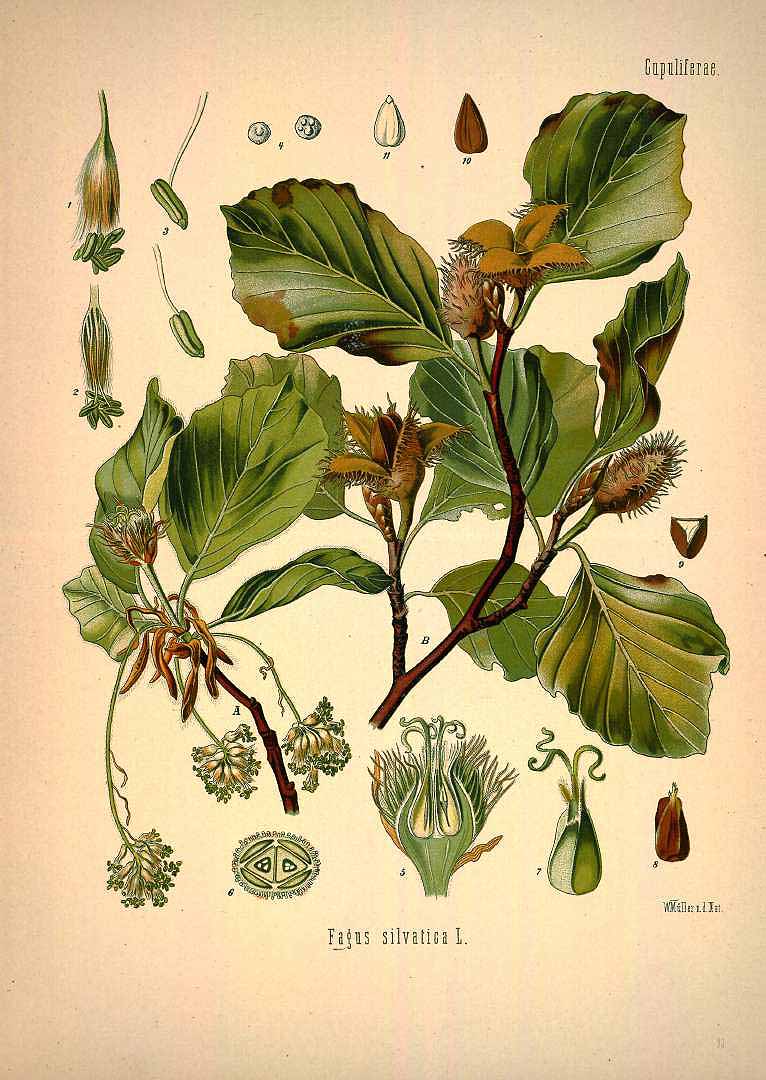
Les fleurs sont discrètes et unisexuées : les fleurs mâles pendent en petits glomérules jaunâtres, tandis que les fleurs femelles sont plus petites et verdâtres. Les fruits sont des faînes, petites noix triangulaires enfermées dans une bogue piquante qui s’ouvre à maturité.
3. Habitat et environnement
Le hêtre préfère les climats tempérés humides, avec des étés modérés et des hivers marqués.
Il aime les sols profonds, frais, bien drainés, plutôt riches en humus, avec une préférence fréquente pour les terrains calcaires, tout en tolérant aussi certains sols légèrement acides.
Il apprécie la mi-ombre jeune, puis devient un grand compétiteur en créant un ombrage dense.
On le trouve naturellement dans une grande partie de l’Europe, des plaines aux zones de moyenne montagne, où il forme souvent de belles hêtraies.
4. Culture et entretien
Le hêtre se cultive surtout comme arbre d’ornement, forestier ou de haie.
Le semis se fait avec des graines fraîches, idéalement à l’automne ou après une stratification froide de plusieurs mois.
La germination peut être lente et irrégulière.
En pleine terre, il faut lui offrir un sol non compacté, ni trop sec ni trop gorgé d’eau.
Les jeunes plants apprécient une certaine protection contre les fortes gelées et les sécheresses prolongées.
Une fois installé, il demande peu d’entretien.
Associations bénéfiques : en forêt-jardin ou haie, il cohabite bien avec des espèces de mi-ombre et de sous-bois.
Il peut cependant dominer fortement son environnement par son ombre et ses racines superficielles.
À éviter : les plantes très gourmandes en lumière juste sous son couvert dense.
5. Usages
a) Culinaire
Les jeunes feuilles peuvent se consommer en petite quantité, crues en salade ou cuites comme légume.
Leur saveur est douce et délicate.
Les faînes sont comestibles une fois bien préparées : grillées, salées, moulues ou utilisées en petite quantité dans des pains, gâteaux ou préparations de type “graines/noisettes”.
Elles peuvent aussi donner une huile alimentaire fine, proche de l’huile de noisette ou d’olive dans certains usages.
b) Médicinal
L’écorce et certaines préparations traditionnelles ont été utilisées pour leurs propriétés supposées astringentes, antiseptiques, antitussives et expectorantes.
Ces usages relèvent surtout de la tradition et doivent être envisagés avec prudence.
c) Autres usages
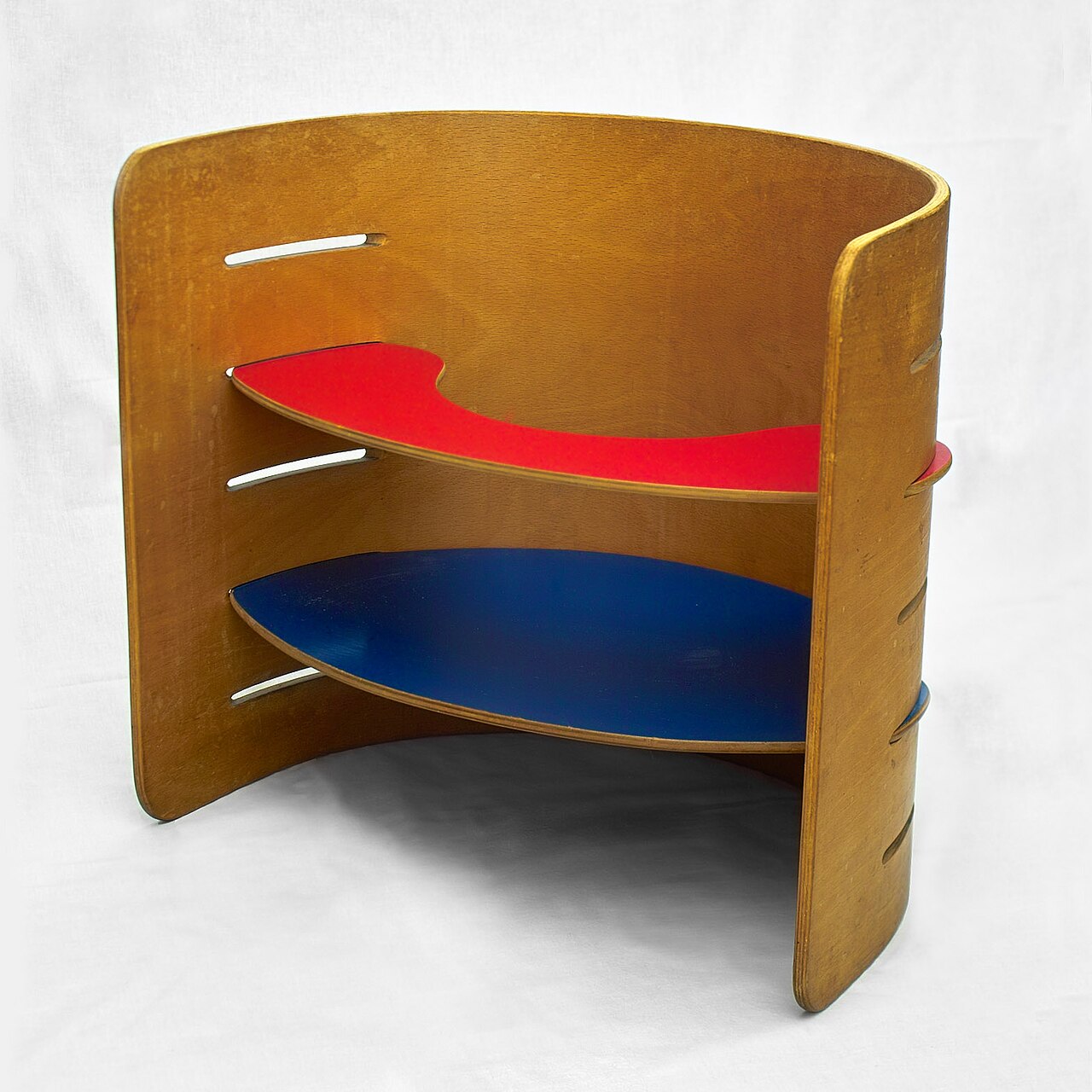
Le bois de hêtre est très recherché : dur, lourd, homogène et de belle finition, il sert à la menuiserie, au mobilier, aux parquets, au tournage et comme excellent combustible.
Les feuilles ont aussi pu servir de litière ou de rembourrage, et le bois à la production de charbon, de fumée ou de dérivés comme le goudron de bois.
6. Précautions
Les faînes fraîches consommées en excès peuvent être indigestes et parfois toxiques selon leur état et leur préparation.
Il est recommandé de les consommer en petite quantité, bien préparées, et d’éviter les graines abîmées ou les résidus non nettoyés.
Attention : les usages médicinaux traditionnels ne remplacent pas un avis professionnel.
Aucune dose médicinale standard fiable ne peut être donnée ici pour un usage interne domestique.
7. Écologie
Le hêtre est une espèce importante pour la biodiversité forestière.
Ses fleurs fournissent du pollen, ses faînes nourrissent de nombreux oiseaux, rongeurs et insectes, et son feuillage dense crée un microclimat humide favorable à certaines espèces de sous-bois.
Il participe à la structuration des hêtraies, milieux emblématiques qui abritent une faune et une flore spécialisées.
8. Culture et histoire
Le hêtre occupe une place forte dans l’histoire européenne : il a marqué la sylviculture, l’architecture des paysages et l’art du bois.
Son nom a aussi laissé des traces culturelles dans plusieurs langues et toponymes.
Arbre de majesté et de silence, il évoque souvent les grandes forêts anciennes, les promenades ombragées et la lenteur du temps forestier.
9. Activités ludiques
Dessin, peinture, coloriage, herbier : invitez les enfants à observer les feuilles ovales, l’écorce lisse et les petites faînes.
Ils peuvent réaliser un herbier avec une feuille bien pressée, dessiner la silhouette du grand arbre ou colorier les différentes saisons du feuillage.
Atelier cuisine : proposer une dégustation de faînes grillées, en petite quantité, ou un atelier “goût de noisette sauvage”.
On peut aussi imaginer un pesto original ou une poudre de graines incorporée à une pâte à pain, après vérification de la comestibilité et préparation adaptée.
10. Conclusion
Le hêtre commun est bien plus qu’un arbre de forêt : c’est un repère de paysage, une ressource alimentaire modeste mais intéressante, un géant discret qui abrite, nourrit et structure son milieu. Le rencontrer, c’est souvent apprendre à ralentir, observer et respecter la richesse du vivant.
Recettes
Voici 4 recettes à base de hêtre commun (*Fagus sylvatica*), en restant strictement sur les parties indiquées comme comestibles dans la fiche : jeunes feuilles et faines/graines (ainsi que leur huile).
1) Salade de jeunes feuilles de hêtre, pomme et noix
Ingrédients
- 1 petite poignée de jeunes feuilles de hêtre très tendres
- 1 pomme
- 1 poignée de jeunes pousses de salade ou de mâche
- 1 petite poignée de noix
- 1 c. à soupe d’huile de faines ou, à défaut, une huile douce
- 1 c. à café de jus de citron
- Sel, poivre
Préparation
1. Laver délicatement les jeunes feuilles de hêtre.
2. Couper la pomme en fines lamelles.
3. Mélanger avec la salade et les noix.
4. Fouetter l’huile de faines avec le citron, sel et poivre.
5. Assaisonner au dernier moment.
Remarque
Les feuilles doivent être très jeunes pour rester tendres et agréables.
---
2) Poêlée de jeunes feuilles de hêtre à l’ail
Ingrédients
- 2 belles poignées de jeunes feuilles de hêtre
- 1 gousse d’ail
- 1 noix de beurre ou 1 c. à soupe d’huile
- Sel, poivre
- Un filet de citron
Préparation
1. Laver les feuilles et retirer les plus épaisses.
2. Faire revenir l’ail haché dans le beurre ou l’huile.
3. Ajouter les jeunes feuilles de hêtre.
4. Faire sauter 1 à 2 minutes seulement, juste pour les attendrir.
5. Saler, poivrer, ajouter un filet de citron.
Service
À servir en accompagnement, comme des épinards très jeunes.
---
3) Faines grillées et salées, façon apéritif traditionnel
Ingrédients
- 100 g de faines bien mûres et saines
- Sel fin
Préparation
1. Ouvrir les bogues et récupérer les faines.
2. Bien retirer les impuretés.
3. Les faire griller à sec à la poêle ou au four, à feu doux, en remuant.
4. Quand elles sont dorées et parfumées, les saler légèrement.
Attention
On les consomme en petite quantité et bien préparées.
---
4) Pain ou galettes aux faines moulues
Ingrédients
- 50 à 100 g de faines
- 250 g de farine de blé ou de seigle
- 1 pincée de sel
- Eau tiède
- Levure boulangère ou levain, selon la version
- Facultatif : un peu d’huile de faines
Préparation
1. Faire sécher puis griller légèrement les faines.
2. Les moudre finement.
3. Mélanger la poudre obtenue avec la farine, le sel et la levure.
4. Ajouter l’eau progressivement pour former une pâte.
5. Laisser lever puis cuire en pain ou façon petites galettes.
Remarque
La poudre de faines s’utilise plutôt en petite proportion, comme complément de farine.
---
Précautions importantes
- Ne consommer que les jeunes feuilles et les faines/graines clairement identifiées.
- Les faines fraîches et en excès peuvent être indigestes, voire toxiques.
- Éviter les graines abîmées et les résidus de coque.
- Pour l’huile de faines, rester sur un usage alimentaire modéré.
Cf.
 Consommation (rapports de comestibilité, parties utilisables et usages alimentaires correspondants)
Risques et précautions à prendre
Description :
C'est un grand arbre à feuilles caduques, indigène d’Europe, une essence très commune dans nos forêts, bio-indicatrice d'un climat tempéré humide. Il est très apprécié en sylviculture mais aussi pour l'ornementation, notamment dans les haies.
Description détaillée :
Un grand arbre. Il atteint 20-30 m de haut. Il peut s'étendre de 12 à 18 m de large. L'écorce est gris argenté à maturité. La couronne est dense, étalée et ovale. Les feuilles sont ovales et les jeunes feuilles sont vert clair puis virent au vert foncé avant de devenir dorées puis cuivrées et brunes. Les feuilles mesurent 10 cm de long sur 6 cm de large. Ils ont un court point abrupt. Ils ont un bord ondulé qui peut avoir de petites dents. Il y a 5 à 8 nervures latérales sur la feuille. Il perd ses feuilles au cours de l'année. Les fleurs sont séparément mâles et femelles. Les fleurs mâles sont jaunes et en boules tombantes. Les fleurs femelles sont verdâtres et en grappes. Les noix sont petites et de forme triangulaire. Ils sont comestibles. Il existe de nombreuses variétés nommées. Il existe une variété pleureuse de hêtre commun. Les branches sont épaisses et pendent{{{0(+x) (traduction automatique).
Original : A tall tree. It grows to 20-30 m high. It can spread 12-18 m wide. The bark is silver grey at maturity. The crown is dense, spreading and oval. The leaves are oval and young leaves are clear green then turn dark green before becoming golden then copper and brown. The leaves are 10 cm long by 6 cm wide. They have a short abrupt point. They have a wavy edge which may have small teeth. There are 5-8 side veins to the leaf. It loses its leaves during the year. The flowers are separately male and female. Male flowers are yellow and in drooping balls. The female flowers are greenish and in clusters. The nuts are small and triangular shaped. They are edible. There are many named varieties. There is a weeping variety of common beech. The branches are thick and hang down{{{0(+x).
Types de feuillage :
Caduque
Culture en pleine terre :
Utilisations paysagères : Bois de chauffage, tolérant aux ravageurs, haie, racines superficielles potentiellement agressives, écran végétal, arbre isolé. Prospère dans un sol léger ou moyen, se développe bien sur sol calcaire, mais est mal adapté aux sols lourds et humides [1, 11]. Préfère un sol calcaire, mais réussit également dans les sols acides, bien qu'il n'y forme pas un arbre aussi vigoureux[186]. S'adapte à presque tous les types de sols et à tous les pH ; il est également très tolérant à une large gamme de conditions climatiques, pourvu que les précipitations soient suffisantes[200]. Les arbres établis sont tolérants à la sécheresse[186]. Très tolérant au vent, mais craint le sel[200]. Ses racines superficielles peuvent le rendre moins résistant au vent[186]. Il présente deux périodes de croissance par an, d'une durée d'environ trois semaines chacune. La première a lieu au printemps, vers la fin avril, et la seconde en été, vers la fin juillet. Sa croissance est souvent lente et son enracinement après transplantation peut être très long. Cependant, dans de bonnes conditions, ils peuvent pousser jusqu'à un mètre par an. Les jeunes arbres tolèrent très bien l'ombre, mais leurs fleurs et leurs jeunes feuilles sont sensibles au gel ; il est donc préférable de les planter en sous-bois pour les protéger[200]. Plante hôte importante pour de nombreuses chenilles, elle compte 64 espèces d'insectes associés[24]. Son feuillage dense projette une ombre épaisse ; très peu d'autres espèces peuvent pousser dans une hêtraie dense et, sur les sols appropriés, elle devient l'espèce dominante[186]. Très peu tolérante au recépage, elle ne produit aucune croissance ou seulement une très faible repousse, rapidement étouffée par d'autres plantes[186]. Elle supporte cependant très bien la taille légère et, si celle-ci est effectuée en fin d'été, elle conservera son feuillage mort pendant l'hiver[29]. Il existe de nombreuses variétés sélectionnées pour leur valeur ornementale. Celles à feuilles pourpres préfèrent une exposition ensoleillée, tandis que celles à feuilles jaunes préfèrent une ombre légère[188]. Cette espèce est particulièrement résistante à l'armillaire[200]. Caractéristiques particulières : Plante non indigène d’Amérique du Nord. Toutes ou certaines parties de cette plante sont toxiques. Fleurs discrètes. Tolère la chaleur dans les zones 9 à 4. (Les zones de rusticité indiquent la capacité des plantes à résister aux basses températures hivernales. Les zones de chaleur indiquent à partir de quel moment les plantes commencent à souffrir de la chaleur. La carte des zones de chaleur est basée sur le nombre de « jours de chaleur » enregistrés dans une zone donnée, où la température dépasse 30 °C (86 °F). À cette température, de nombreuses plantes commencent à subir des dommages physiologiques. Les zones de chaleur vont de 1 (aucun jour de chaleur) à 12 (210 jours de chaleur ou plus). Par exemple, la zone de chaleur 11-1 indique que la plante tolère la chaleur dans les zones 11 à 1.) Pour la conception de polycultures, outre l’architecture aérienne (forme : arbre, arbuste, etc., et taille indiquées ci-dessus), les informations sur le port et le système racinaire sont également utiles et sont fournies ici, le cas échéant. Un porte-tige rejette et émet des pousses à partir de la base [1-2].Le modèle racinaire est un rejet avec de nouvelles plantes à partir de stolons souterrains s'éloignant de la plante [1-2]{{{5(+)
Multiplication :
Semis – Les graines ont une courte durée de vie et il est préférable de les semer dès leur maturité, en automne, sous châssis froid. Protégez-les des rongeurs. La germination a lieu au printemps. Lorsque les plantules sont suffisamment grandes pour être manipulées, repiquez-les en pots individuels et cultivez-les en serre pendant au moins leur premier hiver. Plantez-les à leur emplacement définitif à la fin du printemps ou au début de l'été, après les dernières gelées. Les jeunes plants ont une croissance lente les premières années et sont très sensibles aux gelées tardives. Il est également possible de semer les graines en pleine terre à l'automne[186]. Les plantules peuvent rester en pleine terre pendant trois ans avant d'être transplantées, mais elles se développeront mieux si elles sont mises en place à leur emplacement définitif le plus tôt possible et protégées des gelées printanières{{{5(x)
- dont infos de 0FPI ("FOOD PLANTS INTERNATIONAL", en anglais) :
Description :
Un grand arbre. Il atteint 20-30 m de haut. Il peut s'étendre de 12 à 18 m de large. L'écorce est gris argenté à maturité. La couronne est dense, étalée et ovale. Les feuilles sont ovales et les jeunes feuilles sont vert clair puis virent au vert foncé avant de devenir dorées puis cuivrées et brunes. Les feuilles mesurent 10 cm de long sur 6 cm de large. Ils ont un court point abrupt. Ils ont un bord ondulé qui peut avoir de petites dents. Il y a 5 à 8 nervures latérales sur la feuille. Il perd ses feuilles au cours de l'année. Les fleurs sont séparément mâles et femelles. Les fleurs mâles sont jaunes et en boules tombantes. Les fleurs femelles sont verdâtres et en grappes. Les noix sont petites et de forme triangulaire. Ils sont comestibles. Il existe de nombreuses variétés nommées. Il existe une variété pleureuse de hêtre commun. Les branches sont épaisses et pendent{{{0(+x) (traduction automatique).
Original : A tall tree. It grows to 20-30 m high. It can spread 12-18 m wide. The bark is silver grey at maturity. The crown is dense, spreading and oval. The leaves are oval and young leaves are clear green then turn dark green before becoming golden then copper and brown. The leaves are 10 cm long by 6 cm wide. They have a short abrupt point. They have a wavy edge which may have small teeth. There are 5-8 side veins to the leaf. It loses its leaves during the year. The flowers are separately male and female. Male flowers are yellow and in drooping balls. The female flowers are greenish and in clusters. The nuts are small and triangular shaped. They are edible. There are many named varieties. There is a weeping variety of common beech. The branches are thick and hang down{{{0(+x).
Production :
Les plantes poussent lentement. Les arbres greffés produisent en 3-4 ans. Les noix sont ramassées après leur chute. {{{0(+x) (traduction automatique).
Original : Plants grow slowly. Grafted trees produce in 3-4 years. The nuts are collected after falling{{{0(+x).
Culture :
Les plantes peuvent être cultivées à partir de graines. Les graines ne poussent que mal. Les plantes produisent également des drageons qui peuvent être coupés et plantés. Les graines ont besoin d'un traitement à froid pendant 3-4 mois{{{0(+x) (traduction automatique).
Original : Plants can be grown from seed. Seeds only grow poorly. Plants also put out suckers which can be cut off and planted. Seeds need cold treatment for 3-4 months{{{0(+x).
Consommation (rapports de comestibilité, parties utilisables et usages alimentaires correspondants)
Consommation (rapports de comestibilité, parties utilisables et usages alimentaires correspondants)Les jeunes feuilles, à la saveur douce agréable, sont appréciées crues dans les salades (généralement composées) ou cuites comme légume (ex. : potherbe) mais sont aussi utilisées dans les liqueurs, tandis que l'on peut consommer les graines cuites, grillées et salées, torréfiées comme substitut/succédané du café, ou encore séchées, moulues en poudre mélangée aux farines de céréales pour la confection de pain, gâteaux, etc.. Leur saveur est également douce et agréable. Un huile alimentaire (semi-siccative), dont la finesse est comparable à celle de l’huile d’olive, en est extraite et est employée pour l'assaisonnement et la cuisson. Enfin, le bois (écorce-s, sciure) est aussi comestible.
Détails :
Feuille (jeunes et fraîches ; crues1 ou cuites1), fruit (crus1(1*). ou cuits1 ; dont extrait (huile)1 ; dont graines (germes1)) et aubier (= écorce interne ; cru (copeaux)1 / cuit1 et/ou aromatisant1)(2*) comestibles.
Parties comestibles : feuilles, huile, graines{{{0(5(x),+x)/noix, graines - huile, sciure - aromate{{{0(+x) ;
Utilisations comestibles : café, huile ;
Jeunes feuilles – crues[183]{{{5(+). Les jeunes feuilles sont{{{0(+x),{{{27(+x) consommées0(+x)µ/consommablesµ27(+x) crues en salade{{{0(+x) ou comme légume{{{0(+x) (ex. : potherbe{{{(dp*)) ; elles sont également utilisées dans les liqueurs{{{0(+x). Leur saveur douce et agréable se marie bien avec les salades composées. Cependant, elles durcissent rapidement ; il est donc conseillé de n’utiliser que les plus jeunes[2, 5, 12, K]. La nouvelle pousse se produit généralement pendant deux périodes de trois semaines chaque année, l’une au printemps et l’autre en plein été.
Graines – crues ou cuites[2, 5, 7, 63, 183]{{{5(+). Les noyaux {{{0(+x)µ/grainesµ27(+x) des noix{{{0(+x) sont consommés{{{0(+x),{{{27(+x) localement crus0(+x),{{{27(+x) ou cuits ou grillés, dans ce dernier cas comme substitut/succédané du café[2, 63]{{{27(+x),{{{~~5(+), ou encore{{{(dp*) grillés et salés{{{0(+x). Leur saveur douce et agréable les rend toutefois assez petites et délicates à manipuler[K]. Les graines peuvent également être séchées, moulues en poudre et incorporées à des farines de céréales pour la confection de pain, gâteaux, etc.[12].
Graines - huile. Les graines sont riches en huile{{{5(x). Le noyau produit une huile bonne pour la cuisson des aliments{{{0(+x). Les graines contiennent 17 à 20 % d’une huile semi-siccative comestible[4, 7, 8, 57]. Celle-ci se conserve bien sans rancir et sa finesse est comparable à celle de l’huile d’olive[183]{{{5(+). Elle est utilisée comme assaisonnement pour les salades et en cuisine[238]{{{0(5(+),+x).
Cambium (seconde écorce) comestible.
La sciure a été quelquefois ajoutée à la farine pour faire du pain{{{27(+x).
Le bois est utilisé pour le vieillissement des bières et jambons fumés{{{0(+x).
Partie testée :
/ Risques et précautions à prendre
Risques et précautions à prendreATTENTION : (1*) Les fruits (faines), consommés frais, et en excès, sont indigestes{{{~~1 / peuvent être toxiques[65, 76]{{{~~5(+). La membrane entourant la graine est dotée d'une certaine toxicité{{{27(+x). Les résidus de graines sont toxiques[9, 57]. Il est déconseillé de consommer de grandes quantités d'huile car elle contient un principe actif nocif[65, 238]{{{5(+).
(2*) Il est fortement recommandé de prélever uniquement l'écorce interne sur les arbres déjà abattus, car prélever celle-ci directement sur un hêtre vivant entraine automatiquement (peut entrainer/causer/engendrer/provoquer?) la mort de celui-ci{{{(dp*).
Usages médicinaux
L'écorce possède des propriétés antiacides, antipyrétiques, antiseptiques, antitussives, expectorantes et odontalgiques[7, 9]. Un goudron (ou créosote), obtenu par distillation sèche des branches, est stimulant et antiseptique[4]. Il est utilisé par voie interne comme expectorant stimulant et par voie externe pour traiter diverses affections cutanées[4, 238]. La créosote pure a été employée pour soulager les maux de dents, mais son utilisation ne doit pas se faire sans avis médical[7]. La plante entre dans la composition des élixirs floraux de Bach ; les mots-clés pour sa prescription sont « Intolérance », « Critique » et « Porter des jugements »[209]{{{5(+)
Autres usages
On obtient de la graine une huile semi-siccative utilisée comme combustible pour l'éclairage, comme lubrifiant, pour le polissage du bois, etc. [12, 13, 46, 57, 63]. Les résidus de la graine sont toxiques [9, 57]. Les bourgeons foliaires, récoltés en hiver et séchés sur les rameaux, servent de cure-dents[66]. Les feuilles, cueillies en automne, sont utilisées comme rembourrage pour les matelas, etc.[115]. Le bois est dur, lourd, résistant et très durable [13, 46]. Il ne convient pas à un usage extérieur[1] et est souvent attaqué par un petit coléoptère[4]. Il a de nombreuses applications, notamment dans la fabrication de meubles, de parquets, le tournage, etc.[100]. C'est un excellent combustible [6, 66], qui brûle avec beaucoup de chaleur[4] et produit un charbon de bois appelé « Carbo Ligni Pulveratus »[46]. Le bois a souvent été utilisé comme source de créosote, de goudron et d'alcool méthylique. acide acétique[123]{{{5(+). Un accumulateur dynamique qui recueille des minéraux ou des nutriments du sol et les stocke sous une forme plus biodisponible - utilisé comme engrais ou pour améliorer le paillis{{{5(x)
Galerie(s)
Par Nikanos, via wikimedia
✖

Par Franz Eugen Köhler, Köhler's Medizinal-Pflanzen, via wikimedia
✖

Par Köhler F.E. (Medizinal Pflanzen, vol. 1: t. 33, 1887), via plantillustrations
✖

Par Hélène Rival, via wikimedia
✖

Par Malene Thyssen, via wikimedia
✖

Par AnRo0002, via wikimedia
✖

Par AnRo0002, via wikimedia
✖

Par Marianne Cornelissen-Kuyt, via wikimedia
✖

Par Velela, via wikimedia
✖

Par Kenraiz, Krzysztof Ziarnek, via wikimedia
✖
_21-07-2023_(d.j.b.).jpg)
Par Dominicus Johannes Bergsma, via wikimedia
✖

Par Gerhard Elsner, via wikimedia
✖

Par Thue, via wikimedia
✖

Par MarsmanRom, via wikimedia
✖

Par Liné1, via wikimedia
✖

Par Daderot, via wikimedia
✖

Par SKas, via wikimedia
✖

Par 4028mdk09, via wikimedia
✖

Par Jean-Pierre Chéreau & Roger Culos, via wikimedia
✖
Par Gisle Hannemyr, via wikimedia
✖

Par Matus halas, via wikimedia
✖

Par Ldi, via wikimedia
✖

Par Franz Eugen Köhler, Köhler's Medizinal-Pflanzen, via wikimedia
✖

Par Amédée Masclef (1858–1916), via wikimedia
✖

Par John Curtis, via wikimedia
✖

Par Prof. Dr. Otto Wilhelm Thomé, Flora von Deutschland, Österreich und der Schweiz 1885, Gera, Allemagne, via wikimedia
✖
Exemples d'étiquettes, affichettes, herbiers & co.

 ✖
✖

 ✖
✖
Étiquettes individuelles

 ✖
✖

 ✖
✖

 ✖
✖
Planches d'étiquettes

 ✖
✖

 ✖
✖

 ✖
✖

 ✖
✖

 ✖
✖

 ✖
✖

 ✖
✖

 ✖
✖

 ✖
✖

 ✖
✖

 ✖
✖

 ✖
✖

 ✖
✖

 ✖
✖

 ✖
✖

 ✖
✖

 ✖
✖
Herbiers simples et améliorés

 ✖
✖

 ✖
✖

 ✖
✖

 ✖
✖

 ✖
✖

 ✖
✖
Affichettes

 ✖
✖

 ✖
✖

 ✖
✖

 ✖
✖

 ✖
✖

 ✖
✖

 ✖
✖

 ✖
✖

 ✖
✖

 ✖
✖

 ✖
✖

 ✖
✖

 ✖
✖

 ✖
✖

 ✖
✖

 ✖
✖

 ✖
✖

 ✖
✖

 ✖
✖

 ✖
✖

 ✖
✖

 ✖
✖

 ✖
✖

 ✖
✖

 ✖
✖

 ✖
✖

 ✖
✖
Autres fichiers (pour coloriage(s), gravure(s), décoration...)
Affichettes, herbiers & co. (générateur-s)

 ✖
✖

 ✖
✖

 ✖
✖
Screens version ordinateur

 ✖
✖

 ✖
✖

 ✖
✖

 ✖
✖
Screens

 ✖
✖

 ✖
✖

 ✖
✖

 ✖
✖
Fiches aux formats PDF, JPG & DOC
Autres infos
dont infos de 0FPI ("FOOD PLANTS INTERNATIONAL", en anglais) :
Statut :
Les fruits sont consommés par les enfants{{{0(+x) (traduction automatique).
Original : The fruit are eaten by children{{{0(+x).
Distribution :
C'est une plante tempérée. C'est originaire d'Europe. Il a besoin d'un sol bien drainé. Il peut pousser dans les sols alcalins. Il convient aux zones de rusticité 5-9. Arboretum Tasmania{{{0(+x) (traduction automatique).
Original : It is a temperate plant. It is a native of Europe. It needs a well drained soil. It can grow in alkaline soils. It suits hardiness zones 5-9. Arboretum Tasmania{{{0(+x).
Localisation :
Albania, Australia, Balkans, Bosnia, Britain, Bulgaria, Czech Republic, Europe, France, Greece, Haiti, Hungary, India, Italy, Macedonia, Norway, North America, Romania, Scandinavia, Slovakia, Slovenia, Spain, Sweden, Switzerland, Tasmania, USA, West Indies{{{0(+x) (traduction automatique).
Original : Albania, Australia, Balkans, Bosnia, Britain, Bulgaria, Czech Republic, Europe, France, Greece, Haiti, Hungary, India, Italy, Macedonia, Norway, North America, Romania, Scandinavia, Slovakia, Slovenia, Spain, Sweden, Switzerland, Tasmania, USA, West Indies{{{0(+x).
Notes :
Il existe 10 espèces de Fagus{{{0(+x) (traduction automatique).
Original : There are 10 Fagus species{{{0(+x).
Rusticité (résistance face au froid/gel, climat)
Zones de rusticité : 4, 5, 6, 7
Arôme et/ou texture
proche de l'amande (fruits), charbon, délicat et assez sec (graines germées), oseille (feuilles)1
Liens, sources et/ou références
Liens :
Wikipedia ;Sources et/ou références :
bibliographie (liste des sources et/ou références de l'encyclopédie)
dont classification : IPNI ("International Plant Names Index", en anglais) ; TPL ("The Plant List", en anglais) ; GRIN ("Germplasm Resources Information Network", en anglais) ; Kew (POWO - "Plant Of the World Online", "Royal Botanical Garden", en anglais) ; Tela Botanica ;
dont livres et bases de données : 5PFAF ("Plants For A Future", en anglais) ; 0FPI ("FOOD PLANTS INTERNATIONAL", en anglais), 1Plantes sauvages comestibles (livre pages 51 et 52, par S.G. Fleischhauer, J. Guthmann et R. Spiegelberger), 27Dictionnaire des plantes comestibles (livre, page 135, par Louis Bubenicek) ; 1Plantes sauvages comestibles (de S.G. Fleischhauer, J. Guthmann et R. Spiegelberger, éditions Ulmer, 2012) / détails du livre ; 88Sauvages & comestibles - herbes, fleurs et petites salades (de Marie-Claude Paume, éditions EDISUB, 2011) / détails du livre
dont bibliographie/références de 5PFAF ("Plants For A Future", en anglais)
- [K] Ken Fern (Notes tirées d'observations, de dégustation, etc., à "Plants For A Future" et lors de voyages sur le terrain{{{5(x)) ;
- [1] RHS Dictionary of Plants plus Supplement, Chittendon F., 1956, Oxford University Press, 1951 (Liste complète des espèces et comment les cultiver. Assez dépassé, il a été remplacé en 1992 par un nouveau dictionnaire - voir [200]{{{5(x)) ;
- [1-2] Edible Forest Gardens, Dave Jacke, Eric Toensmeier, 2015, Chelsea Green Publishing Co., ISBN 9781890132606 ;
- [2] Sturtevant's Edible Plants of the World, Hedrick U. P., 1972, Dover Publications, ISBN 0-486-20459-6 (Beaucoup d'entrées, beaucoup d'informations dans la plupart des entrées et références.{{{5(x)) ;
- [4] A Modern Herbal, Grieve, 1984, Penguin, ISBN 0-14-046-440-9 (Pas si moderne (1930 ?) mais beaucoup d'informations, principalement sur les plantes tempérées.{{{5(x)) ;
- [5] Food for Free, Mabey R., 1974, Collins, ISBN 0-00-219060-5 (Plantes sauvages comestibles trouvées en Grande-Bretagne. Assez complet, très peu de photos et plutôt optimiste quant à l'opportunité de certaines plantes.{{{5(x)) ;
- [6] Plants with a Purpose, Mabey R., 1979, Fontana, ISBN 0-00-635555-2 (Détails sur certaines des plantes sauvages utiles de la Grande-Bretagne. Pauvre sur les photos mais par ailleurs très bon.{{{5(x)) ;
- [7] Encyclopaedia of Medicinal Plants, Chiej R., 1984, MacDonald, ISBN 0-356-10541-5 (Couvre les plantes qui poussent en Europe. Il donne également d'autres informations intéressantes sur les plantes. De bonnes photographies.{{{5(x)) ;
- [8] Free for All,Ceres, 1977, Thorsons Publishers, ISBN 0-7225-0445-4 (Plantes sauvages comestibles en Grande-Bretagne. Petit livret, rien de spécial.{{{5(x)) ;
- [9] Edible and Medicinal Plants, Launert E., 1981, Hamlyn, ISBN 0-600-37216-2 (Couvre les plantes en Europe. un dessin de chaune, un peu d'informations intéressantes.{{{5(x)) ;
- [11] Trees and Shrubs Hardy in Great Britain. Vol. 1 - 4 and Supplement, Bean W., 1981, Murray (Un classique avec une mine d'informations sur les plantes, mais pauvre en images.{{{5(x)) ;
- [12] Britain's Wild Larder, Loewenfeld C. and Back P., David and Charles, ISBN 0-7153-7971-2 (Un guide de poche pratique.{{{5(x)) ;
- [13] Encyclopaedia of Plants, Triska Dr. Hamlyn, 1975, Hamlyn, ISBN 0-600-33545-3 (Lecture très intéressante, donnant quelques détails sur les utilisations des plantes et beaucoup de folklore.{{{5(x)) ;
- [24] Making a Wildlife Garden, Baines C. (Assez bien avec beaucoup d'idées sur la création de zones pour les amoureux dans le jardin.{{{5(x)) ;
- [29] Hedges and Screens, Shepherd F.W., 1974, Royal Horticultural Society, ISBN 0900629649 (Un petit livret d'information donnant des détails sur toutes les plantes de couverture cultivées dans les jardins de la R.H.S. à Wisley dans le Surrey.{{{5(x)) ;
- [46] Dictionary of Economic Plants, Uphof J. C. Th., 1959, Weinheim (Un guide excellent et très complet, mais il ne donne que des descriptions très brèves des utilisations sans aucun détail sur la façon d'utiliser les plantes. Pas pour le lecteur occasionnel.{{{5(x)) ;
- [57] Plants for Man, Schery R. W. (Assez lisible mais peu complet. Faites affaire avec des plantes du monde entier.{{{5(x)) ;
- [63] Nuts, Howes F. N., 1948, Faber (Plutôt vieux, mais toujours un chef-d'œuvre. A des sections sur les plantes tropicales et tempérées avec des noix comestibles plus une section sur les plantes à coque en Grande-Bretagne. Très lisible.{{{5(x)) ;
- [65] A Colour Atlas of Poisonous Plants, Frohne D. & Pfänder J., 1984, Wolfe, ISBN 0723408394 (Brillant. Allant dans les détails techniques, mais d'une manière très lisible. Le meilleur travail sur le sujet que j'ai rencontré jusqu'à présent.{{{5(x)) ;
- [66] From Agar to Zenery, Freethy R., 1985, The Crowood Press, ISBN 0-946284-51-2 (Très lisible, donnant des détails sur les utilisations des plantes sur la base des expériences des auteurs.{{{5(x)) ;
- [76] Lichens for Vegetable Dyeing, Bolton E., 1972, Studio Vista, ISBN 0-289-70288-7 (Un petit livre intéressant pour le lecteur occasionnel et le passionné.{{{5(x)) ;
- [100] Flowers of Europe - A Field Guide, Polunin O., 1969, Oxford University Press, ISBN 0192176218 (Un guide de poche excellent et bien illustré pour ceux qui ont de très grandes poches. Donne également quelques détails sur les utilisations des plantes.{{{5(x)) ;
- [115] The Useful Plants of Great Britain, Johnson C. P. (Il y a environ cent ans, mais toujours un très bon guide pour les plantes utiles de la Grande-Bretagne.{{{5(x)) ;
- [123] Encyclopaedia Britannica, 15th edition (Il contient quelques sujets d'intérêt pour le projet sur les plantes.{{{5(x)) ;
- [183] Cornucopia - A Source Book of Edible Plants, Facciola S., 1990, Kampong Publications, ISBN 0-9628087-0-9 (Excellent. Contient une très large gamme de plantes alimentaires conventionnelles et non conventionnelles (y compris les tropicales) et où elles peuvent être obtenues (principalement les pépinières nord-américaines, mais aussi les instituts de recherche et beaucoup d'autres pépinières du monde entier.{{{5(x)) ;
- [186] Planting Native Trees and Shrubs, Beckett G. and K., 1979, Jarrold (Un excellent guide pour les arbres et arbustes britanniques indigènes avec beaucoup de détails sur les plantes.{{{5(x)) ;
- [200] The New RHS Dictionary of Gardening, Huxley A., 1992, MacMillan Press, ISBN 0-333-47494-5 (Excellent et très complet, bien qu'il contienne un certain nombre d'erreurs. Licencé mais aussi très détaillé.{{{5(x)) ;
- [238] Encyclopaedia of Herbs and their Uses, Bown D., 1995, Dorling Kindersley, London, ISBN 0-7513-020-31 (Un livre très bien présenté et instructif sur les herbes du monde entier. Beaucoup de choses pour le lecteur occasionnel et l'étudiant avide d'apprendre. Un seul regret est la façon particulière d'avoir deux rubriques distinctes pour chaque plante.{{{5(x)) ;
Si parmis ces dernières (entre crochets) vous ne trouvez pas une ou plusieurs référence(s) utilisée(s) par PFAF ("Plants For A Future"), voici la liste complète (en anglais)
dont bibliographie/références de 0FPI ("FOOD PLANTS INTERNATIONAL", en anglais) :
Ambasta, S.P. (Ed.), 2000, The Useful Plants of India. CSIR India. p 219 ; Bremness, L., 1994, Herbs. Collins Eyewitness Handbooks. Harper Collins. p 55 ; Brickell, C. (Ed.), 1999, The Royal Horticultural Society A-Z Encyclopedia of Garden Plants. Convent Garden Books. p 433 ; Brown, D., 2002, The Royal Horticultural Society encyclopedia of Herbs and their uses. DK Books. p 212 ; Coombes, A.J., 2000, Trees. Dorling Kindersley Handbooks. p 152 ; Cundall, P., (ed.), 2004, Gardening Australia: flora: the gardener's bible. ABC Books. p 596 ; Etherington, K., & Imwold, D., (Eds), 2001, Botanica's Trees & Shrubs. The illustrated A-Z of over 8500 trees and shrubs. Random House, Australia. p 322 ; Facciola, S., 1998, Cornucopia 2: a Source Book of Edible Plants. Kampong Publications, p 115 ; Flowerdew, B., 2000, Complete Fruit Book. Kyle Cathie Ltd., London. p ; Glowinski, L., 1999, The Complete Book of Fruit Growing in Australia. Lothian. p 137 ; Gouldstone, S., 1978, Australian and New Zealand Guide to food bearing plants. Books for Pleasure. p 44 ; Gouldstone, S., 1983, Growing your own Food-bearing Plants in Australia. Macmillan p 135 ; Harris, E & J., 1983, Field Guide to the Trees and Shrubs of Britain. Reader's Digest. p 72 ; Hedrick, U.P., 1919, (Ed.), Sturtevant's edible plants of the world. p 305 ; Joyce, D., 1998, The Garden Plant Selector. Ryland, Peters and Small. p 111 ; Little, E.L., 1980, National Audubon Society Field Guide to North American Trees. Alfred A. Knopf. p 381 ; Lord, E.E., & Willis, J.H., 1999, Shrubs and Trees for Australian gardens. Lothian. p 55 ; Lyle, S., 2006, Discovering fruit and nuts. Land Links. p 201 ; Mabey, R., 1973, Food for Free. A Guide to the edible wild plants of Britain, Collins. p 33, 83 ; Menendez-Baceta, G., et al, 2012, Wild edible plants traditionally gathered in Gorbeialdea (Biscay, Basque Country) Genetic Reources and Crop Evolution 59:1329-1347 ; Menninger, E.A., 1977, Edible Nuts of the World. Horticultural Books. Florida p 17 ; Michael, P., 2007, Edible Wild Plants and Herbs. Grub Street. London. p 19 ; Morley, B. & Everard, B., 1970, Wild Flowers of the World. Ebury press. Plate 12 ; Paoletti, M.G., Dreon, A.L., and Lorenzoni, G.G., 1995, Pistic, Traditional Food from Western Friuli, NE Italy. Economic Botany 49(1) pp 26-30 ; Pieroni, A., 1999, Gathered wild food plants in the Upper Valley of the Serchio River (Garfagnana), Central Italy. Economic Botany 53(3) pp 327-341 ; Plants For A Future database, The Field, Penpol, Lostwithiel, Cornwall, PL22 0NG, UK. https://www.scs.leeds.ac.uk/pfaf/ ; Plants of Haiti Smithsonian Institute https://botany.si.edu/antilles/West Indies ; Redzic, S. J., 2006, Wild Edible Plants and their Traditional Use in the Human Nutrition in Bosnia-Herzegovina. Ecology of Food and Nutrition, 45:189-232 ; Ryan, S., 2008, Dicksonia. Rare Plants Manual. Hyland House. p 26 ; Schuler, S., (Ed.), 1977, Simon & Schuster's Guide to Trees. Simon & Schuster. No. 110 ; Sfikas, G., 1984, Trees and shrubs of Greece. Efstathiadis Group. Athens. p 156 ; Sp. pl. 2:998. 1753 ; van Wyk, B., 2005, Food Plants of the World. An illustrated guide. Timber press. p 153 ; Wickens, G.E., 1995, Edible Nuts. FAO Non-wood forest products. FAO, Rome. p 125 ; Young, J., (Ed.), 2001, Botanica's Pocket Trees and Shrubs. Random House. p 377
Recherche de/pour :
- "Fagus sylvatica" sur Google (pages et
images) ;
TROPICOS (en anglais) ;
Pl@ntNet ;
Pl@ntUse ;
"Useful Tropical Plants" (en anglais) ou
"Useful Temperate Plants" (en anglais) ;
- "Hêtre commun" sur Google (pages, images et recettes) ;
- "Fagus sylvatica" sur Google (pages et
images) ;
TROPICOS (en anglais) ;
Pl@ntNet ;
Pl@ntUse ;
"Useful Tropical Plants" (en anglais) ou
"Useful Temperate Plants" (en anglais) ;
Espèces du même genre (Fagus)
7 taxons
Espèces de la même famille (Fagaceae)
258 taxons
- Châtaignier
- Châtaignier crénelé
- Châtaignier nain
- Chêne à épingles
- Chêne à feuilles de châtaignier
- Chêne à feuilles de châtaigniers
- Chêne à galles
- Chêne à grosses écailles
- Chêne à lamelles
- Chêne de Brotero
- Chêne de l'Apennin
- Chêne de Palestine
- Chêne de Troie
- Chêne de Turquie
- Chêne des marécages
- Chêne des teinturiers
- Chêne écarlate
- Chêne Kermès
- Chêne liège
- Chêne noir
- Chêne pédonculé
- Chêne pubescent
- Chêne rouge d'Amérique
- Chêne sessile
- Chêne valonia
- Chêne vert
- Chêne-brosse
- Hêtre d'Orient
- Castanea alnifolia Nutt.
- Castanea crenata Sieb. & Zucc. (Châtaignier crénelé)
- Castanea dentata (Marshall) Borkh.
- Castanea henryi (Skan.) Rehder. & E.H. Wilson
- Castanea mollissima Blume
- Castanea ozarkensis Ashe
- Castanea pumila (L.) Mill. (Châtaignier nain)
- Castanea sativa Mill. (Châtaignier)
- Castanea seguinii Dode
- Castanea x neglecta Dode
- Castanea x neglecta
- Castanea x sp 1
- Castanea x sp 2
- Castanea x sp 3
- Castanea x sp 4
- Castanopsis acuminatissima (Blume) A.DC.
- Castanopsis argentea (Blume) A.DC.
- Castanopsis argyrophylla King ex Hook.f.
- Castanopsis armata (Roxb.) Spach
- Castanopsis boisii Hickel & A.Camus
- Castanopsis calathiformis (Skan) Rehder & E.H.Wilson
- Castanopsis cambodiana A.Chev.
- Castanopsis carlesii (Hemsl.) Hayata
- Castanopsis ceratacantha Rehder & E.H.Wilson
- Castanopsis chinensis (Spreng.) Hance
- Castanopsis clarkei King ex Hook.f.
- Castanopsis clemensii Soepadmo
- Castanopsis concinna (Champ. ex Benth.) A.DC.
- Castanopsis costata (Blume) A.DC.
- Castanopsis crassifolia Hickel & A.Camus
- Castanopsis cuspidata (Thunb.) Schottky
- Castanopsis delavayi Franch.
- Castanopsis diversifolia (Kurz) King ex Hook.f.
- Castanopsis echinocarpa Miq.
- Castanopsis endertii Hatus. ex Soepadmo
- Castanopsis eyrei (Champ. ex Benth.) Hutch.
- Castanopsis fabri
- Castanopsis fargesii Franch.
- Castanopsis fissa (Champ. ex Benth.) Rehder & E.H.Wilson
- Castanopsis fordii Hance
- Castanopsis formosana (Skan) Hayata
- Castanopsis foxworthyi Schottky
- Castanopsis hypophoenicea (Seemen) Soepadmo
- Castanopsis hystrix Miq.
- Castanopsis indica (Roxb. ex Lindl.) A.DC.
- Castanopsis inermis (Lindl.) Benth. & Hook.f.
- Castanopsis javanica (Blume) A.DC.
- Castanopsis jucunda Hance
- Castanopsis kawakamii Hayata
- Castanopsis lamontii Hance
- ...







 donne accès au menu
  - encyclopédies des plantes alimentaires ;
 - page de recherche - reconnaissance (identification) de plantes ;
 - page du calendrier lunaire et son générateur (au format PDF et JPG) ;
 - tableau récapitulatif ;
 - générateur de potées (soupes), avec estimation des apports nutrionnels et du coût;
 - générateur de codes QR ;
 - page des archives avec de nombreux documents sur différents thèmes complémentaires comme la botanique, les légumes,
les champignons, la cuisine, le bien-être ainsi que différents MOOC mais également des liens vers les archives de l'association ;
- page des archives avec de nombreux documents sur différents thèmes complémentaires comme la botanique, les légumes,
les champignons, la cuisine, le bien-être ainsi que différents MOOC mais également des liens vers les archives de l'association ;

 pour le fruit (et/ou les graines, la pulpe, etc...),
 pour les fleurs (et/ou pétales, calice...),
 pour les feuilles (et/ou la tige, les pousses...),
 pour les racines,
 pour le tronc (et/ou l'écorce, la sève...), et enfin
 pour les champignons,
puis les notes alimentaires et médicinales (de 1 à 5 étoiles), la rusticité (résistance au froid/gel)
et pour finir un résumé.
pour les champignons,
puis les notes alimentaires et médicinales (de 1 à 5 étoiles), la rusticité (résistance au froid/gel)
et pour finir un résumé. menant ici 🙂
 ,
,  et
et





 ,
,


 Encyclopédie(s)
 Recherche-Reconnaissance
 Tableau récapitulatif
 Codes QR
 Archives
 Calendrier(s) lunaire(s)
  Potées
 Re-naturation/naturalisation
 Affichettes, herbiers &
co.
Affichettes, herbiers &
co. menu
menu galerie


 (en bas à droite).
 (en bas à gauche).
